Showing posts with label Fruit. Show all posts

Thursday, 12 July 2018

Surviving Summer - top tips for staying healthy inside and out during a heatwave!

Here in the UK we are not always blessed with long, hot, sweltering summers but we are becoming more accustomed to heatwaves, high pollen levels, strong sun rays and sweaty sleepless nights.

It's common however to get carried away by the short spells of warm weather and neglect our healthy habits in favour of binging on BBQ's, soaking up the sun, drinking gallons of G&T's and indulging in ice-creams. Of course you have to be able to treat yourself, but it's so important to take care of yourself when your body is vulnerable to the health hazards that summer presents. 

Here are some of our top tips for looking after yourself on the inside and outside during the summer months. 

Bee Pollen


A bi-product of honey, these sweet, flowery tasting pellets are a complete food with a comprehensive nutrient profile including an ideal balance of protein, vitamins, minerals, amino acids, enzymes, lipids, bioflavonoids and antioxidants. 

Aside from its dense nutrient content, bee pollen is also a powerhouse against allergies and in particular, hay fever. Bee pollen actively reduces the production of histamine, the compound your body releases in reaction to the immune response caused by pollen (which causes itchy eyes, runny nose, etc). Essentially it works as an natural, nutrient rich alternative to over the counter anti-histamines. 

Camu Camu

Camu camu is the worlds richest source of vitamin C, in fact this small Amazonian berry carries up to 60 x more vitamin C that an orange! Available in dried, powder form, this nutritional supplement is a fantastic immune system booster than can help ward off summer colds. 

Camu camu has a tangy, tart taste and is best taken in an organic juice, smoothie or mixed in your breakfast. One teaspoon a day will boost your energy levels, provide a good amount of antioxidants and boost your immune system. 


Stay hydrated

An increase in sunshine and hot weather naturally increases the amount we sweat as our hypothalamus does the incredible work of regulating our body temperatures. But it's important to remember that you need to compensate for this by increasing your water intake. We always recommend drinking 2 litres of water a day to maintain good health, but try to add another 1/2 - 1 litre to this during a heatwave, especially if you are also exercising. 

Nutritious summer foods
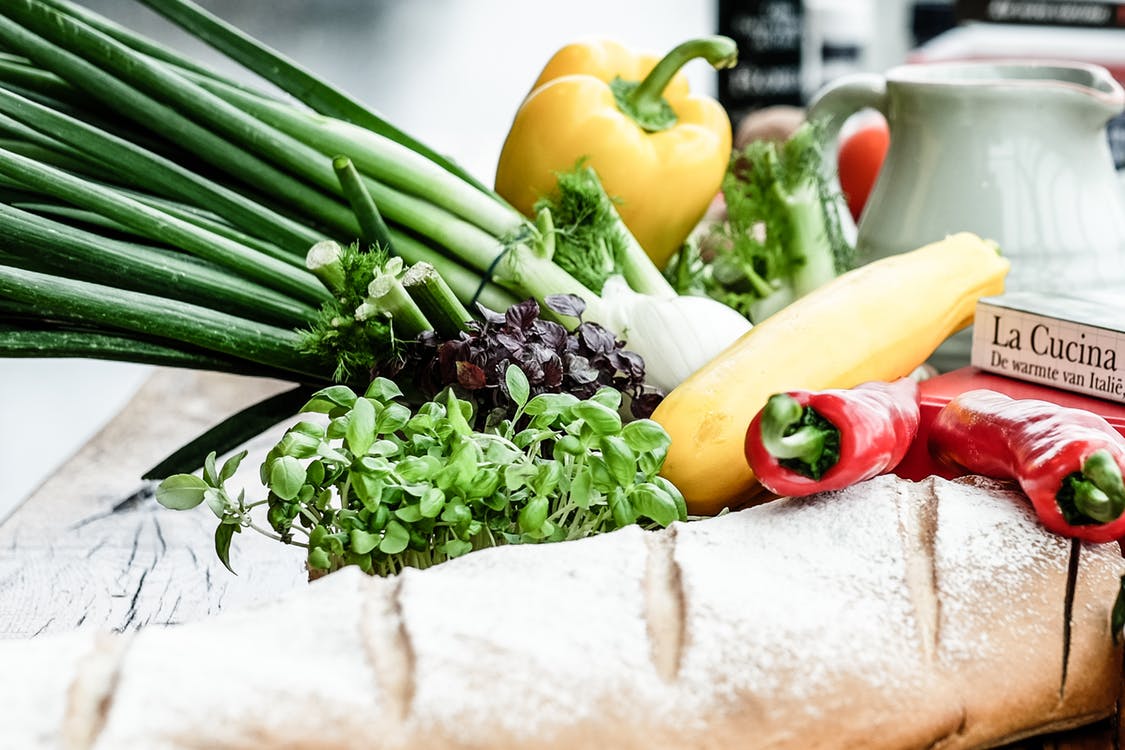
Easting seasonally is never easier than in summer, during this time we have an abundance of salad veggies, summer fruits and fresh produce. Our bodies also don't require the warmth of winter foods and slow release carbs to keep our energy levels up in the cold, meaning we can fill our tums with nutritious, raw and vibrant ingredients. 

My favourite salad in summer is made up of organic: lettuce (home-grown by Amida), tomatoes, cucumber, avocado, broccoli sprouts, raw kale, courgette and peppers, some slightly more exotic mango, with lightly cooked green beans or asparagus, and if you're a cheese lover (and not vegan), a smidgen of grilled halloumi or crumbled feta on top. 

Stay smelling sweet with natural deodorant 

It's perhaps not necessary to elaborate too much here, we all know what hot days plus increased sweat means... But perhaps you're not aware that conventional deodorants contain ingredients like aluminium and parabans that can be damaging to our health. 

By swapping to a chemical free deodorant you can be safe in the knowledge that you will not only smell good, but avoid toxins that absorb straight in to your skin. We stock the Clay Cure range of natural, coconut oil based deodorants with aromas including lavender, water lily, white rose, mint and vetiver, lemon and tea tree, and ylang yang. They're so clean you could even eat them :)


 Coconutty after-sun

Coconut oil not only contains its own naturally occurring SPF, it also acts as a wonderfully soothing moisturiser after sun exposure. It helps to hydrate, nourish and replenish damaged skin and contains absolutely no artificial nasties.  

Mix coconut oil with Vitamin E oil for even better results! 


Thursday, 21 June 2018

Home-made coconut yoghurt

As coconut products continue to take over the world, coconut yoghurt has become an increasingly popular alternative to cows yoghurt, but delicious as it is it also leaves you with something of a hole in your pocket. 

Thankfully there is a simple solution so you can continue to get your fix of creamy coconut goodness without breaking the bank... make it yourself. It's actually really easy, tastes fantastic and gives you the opportunity to experiment with your own flavours. 

Ingredients (makes 1 medium Kilner jar)

2 x tins organic coconut cream
2 teaspoons agar agar powder
4 x capsule probiotic
Maple syrup, agave, date syrup or alternative for sweetening (optional)

Method

1. Empty the tins of coconut cream in to a pan and bring to the boil. 
2. Once boiled, reduce heat and whisk in 2 teaspoons of agar agar powder
3. Gently simmer for 10 minutes, whisking well every few minutes
4. Take off heat and leave to cool to blood temperature, use thermometer or finger to test
5. Break open and empty the contents of 4 x probiotic capsules in to the coconut mix, stir in well. 
6. Optional - add in a small amount of sweetener of your choice or flavour maker (e.g maple syrup, agave, blueberry powder, passionfruit powder, cacao powder...)
7. Pour the coconut mix in to a sterile kilner jar
8. Place in an oven, dehydrator or hot airing cupboard at 110*f/43*c for minimum 12 hours max 24 hours.  Note: leaving for 24 hours will give much thicker consistency. 
9. After 12 - 24 hours remove jar and set to cool. 
10. Once cool eat and enjoy :) Keep in fridge between eating. 

You can buy probiotics and agar agar for this recipe from our superfood shop, along with a wide range of natural sweeteners, fruit powders and dried berries to enjoy with your coconut yoghurt. All available here


Friday, 10 July 2015

Living Healthy on the Go

“Work to live, don’t live to work” is a saying I hear so much these days. And so often I meet people who are completely burnt out from working all hours, a lack of sleep, eating fast/convenient foods and not taking the time to rest or nurture themselves.

I completely support high achievers and admire career driven individuals who thrive on success. I do however hugely encourage everyone to create a healthy work/life balance. Making time and space to relax, give yourself a little TLC and feed yourself nourishing, live and vibrant foods is so important.

I also understand it’s not always easy to make this time when you have a career, children, a commute to or travel with work while also maintaining a social life. The pressures of balancing all these things can be hugely demanding.

I have lived in the London rat race and know first hand how easy it can be to slip in to an unbalanced lifestyle that in the long run is unsustainable. So here are a few suggestions I have learnt along the way for living healthy on the go…

Hydration Hydration Hydration

Keeping hydrated is absolutely fundamental to maintaining your health. Ideally we need to be drinking at least 2 liters of water each day. This will simultaneously help with the flow of key minerals in to your cells while aiding the elimination of toxins. Drinking this much water can help clear headaches, retain concentration and keep you awake. Trying having a pint of water instead of a coffee and see how you feel…

TIP: If you travel a lot, particularly on airplanes, it is especially important to keep the water up. Flying is one of the most dehydrating things we can do to our body so really bug those air stewards for regular water top ups.

Meals on the Move

Finding truly healthy foods when you’re grabbing a bite from a local supermarket, deli or train station can be really difficult. Often the options include poor quality ingredients on soggy white bread. Take a well-known supermarket (who shall not be named, but my Dad calls them Mordor) meal deal, a sandwich, a packet of crisps or choc bar and a fizzy drink for a few pounds… it hardly screams ‘healthy’ to me.

  • I suggest preparing some wholesome snacks on a Sunday ready for your busy week ahead. A trail mix with dried fruit, nuts and seeds will fill you up, contains essential fats and vitamins and can be carried around easily. Or make oat and nut bars, store them in an airtight container and take one with you each day.
  • One-cup smoothie makers are perfect for a morning mineral and fibre injection. Blend up fruit and nut milk with your favourite superfood powders or use it for making a portable chia pudding.
  • Make a big batch of soup that can be divided in to portions and frozen. Then grab one each day to heat up in the office.
  •  For me fruit is the ultimate snack, there’s nothing better than a juicy nectarine or box of blueberries to satisfy a hunger pang on the move.
Or if you are grabbing lunch out, these are a few of my fave healthy eateries around the UK...

-       Tanyas Café – Chelsea, London
-       Sweet Greens – Bournemouth, Dorset
-       Café Kino – Stokes Croft, Bristol
Yoga on the Train

Yes you heard me, I did say yoga on the train.

Last year I went to Colourfest Yoga Festival and met Eugene from AcroYoga Brighton. He taught us about his fantastic idea of fitting exercise in to your life even when you think you don’t have time.
Now, I’m not talking about headstands in the aisles or down dog on the seats, but you can often find space in the corridors or near doors to do some stretching, a few back bends or even a cheeky warrior pose. You might get a funny look or two but be brave, your body will feel the benefits far beyond the blush that your cheeks feel!


Sophia Harvey is one one of the owners of the successful online health food retailer DetoxTrading.co.uk and is currently studying to become a nutritional therapist with the nutritional healing foundation. Complementary therapy has been in the Harvey family for four generations, Sophia's great grandfather being one of the UK's first Osteopaths.

Wednesday, 30 October 2013

What are Prebiotics good for 

in your intestines?

What are Prebiotics good for in your intestines
prebiotics
Prebiotic's
Prebiotic's are fermentable  non-digestible food ingredients that feed and stimulate the growth of the friendly bacteria (probiotics) in your large intestines.  Probiotics are the good bacteria that help your body maintain health.
There are 3 types of prebiotics. . . preshort-chain, long-chain, and full-spectrum.
1. Short-chain” prebiotic's, e.g. oligofructose, contain 2 to 8 links per saccharide molecule and are typically fermented more quickly in the right side of the colon providing nourishment to the friendly bacteria in that area.
2. Longer-chain prebiotic's  e.g. inulin, contain 9 to 64 links per saccharide molecule, and tend to be fermented more slowly, nourishing bacteria predominantly in the left side of the colon.
3. Full spectrum preiotics provide the full range of molecular link-lengths from 2 to 64 links per molecule, and nourish bacteria throughout the colon, e.g. Oligofructose-Enriched Inulin (OEI).
There is evidence to suggest that prebiotics can play a part in reducing irritable bowel symptoms, improve regularity, boost your immune system as well as impart positive changes on many other stomach related problems.
Prebiotic's also helps with calcium absorption into the bones, helping to reduce your chances of developing osteoporosis.
Where do we find prebiotics in food?
Bananas, onions, chicory root, garlic, asparagus, barley, wheat, and leeks.
Where do we find prebiotics in Superfoods?